
Ring Styles Explained: Solitaire, Halo, Pavé and Eternity
Solitaire, halo, pavé, eternity: the words jewellers use, explained in plain language, with tips on which style suits which hand.
Jewellers use a handful of words to describe ring styles. Once you know them, shopping becomes much easier. Here they are in plain language.
Solitaire
One stone, on a plain band. It is the most classic engagement ring style, and the one that never looks dated. A solitaire lets the stone do all the talking. It suits every hand and every outfit.
Halo
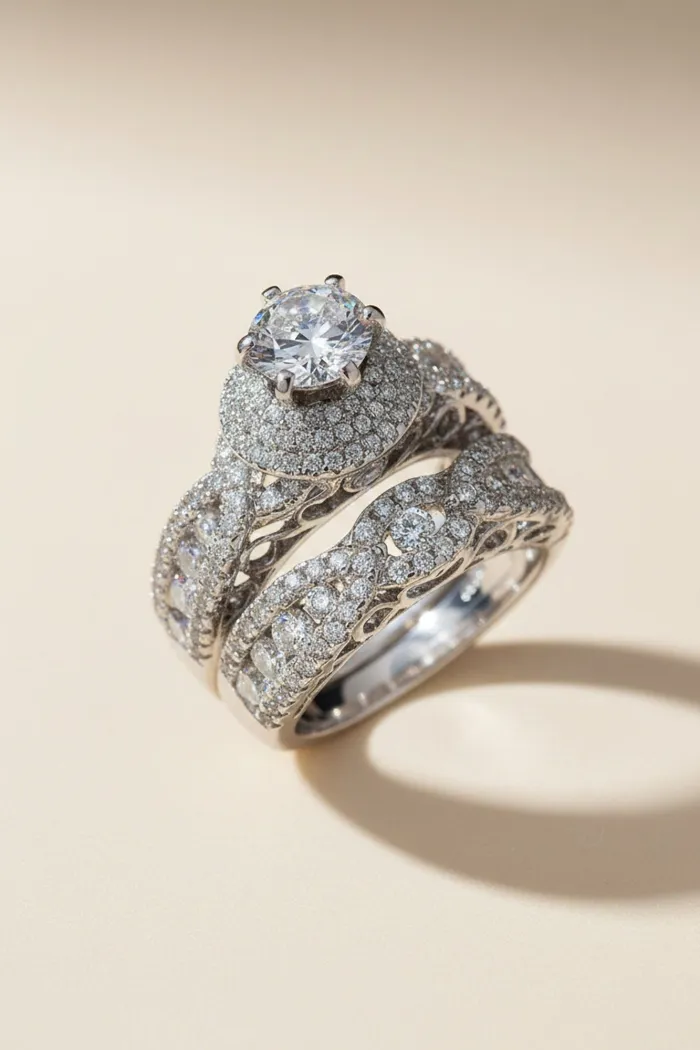
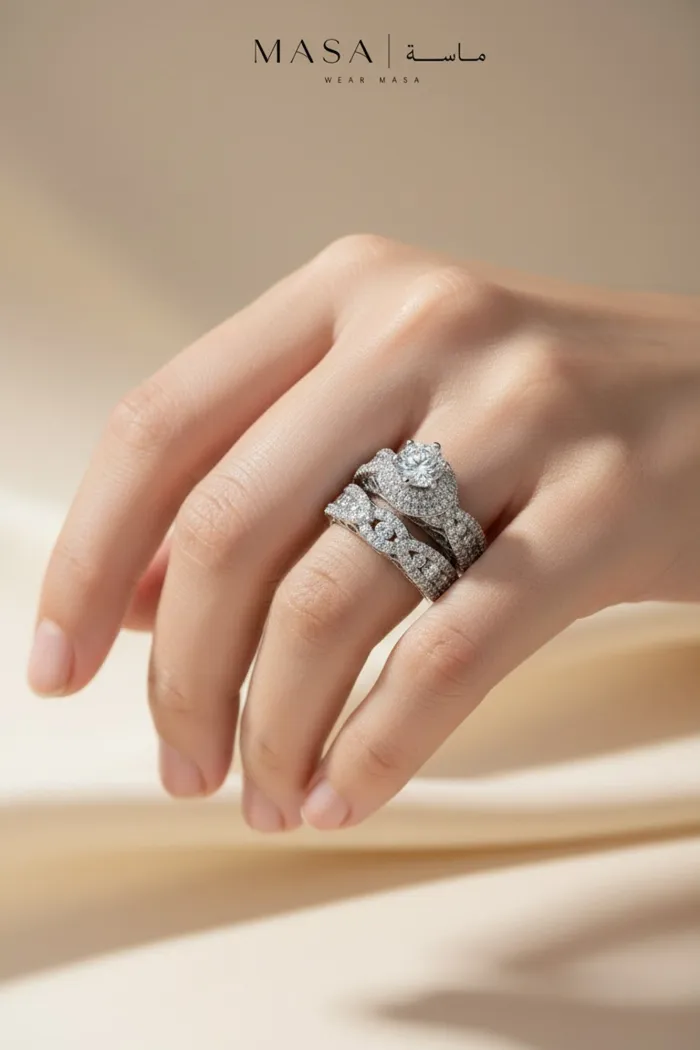
A centre stone surrounded by a ring of smaller stones. The halo makes the centre stone look bigger and adds a lot of sparkle. It is a good choice if she loves glamour, or if you want a big look without a huge centre stone.
Pavé
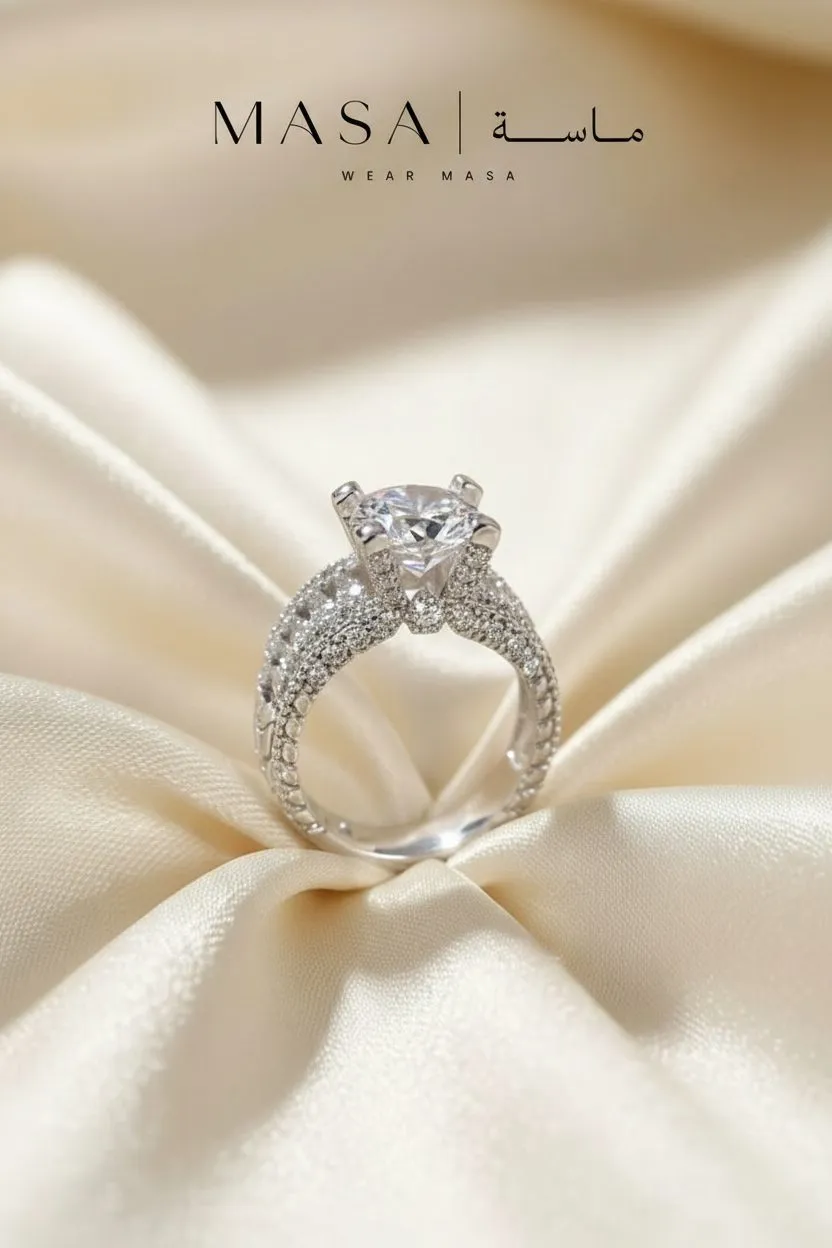
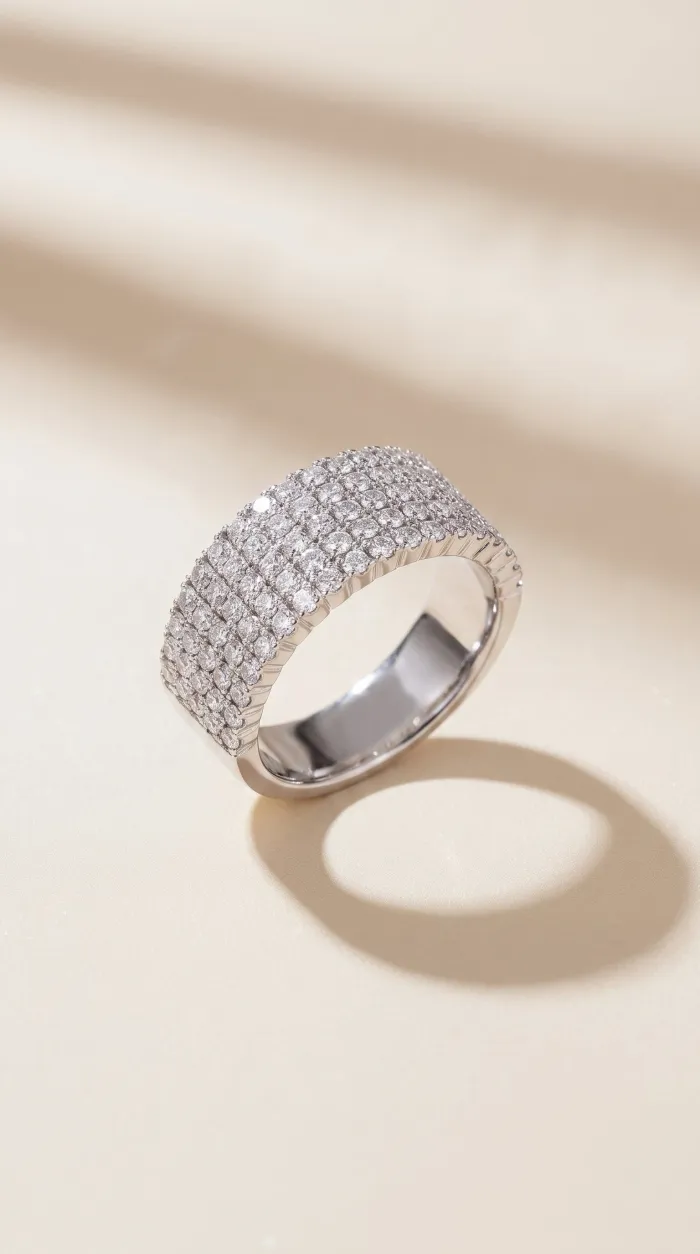
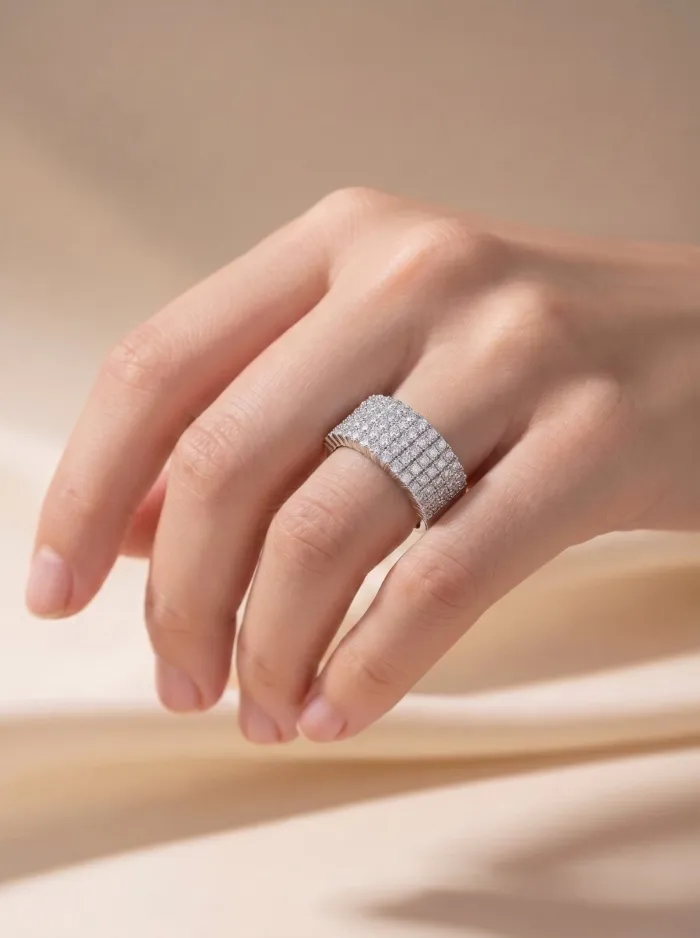
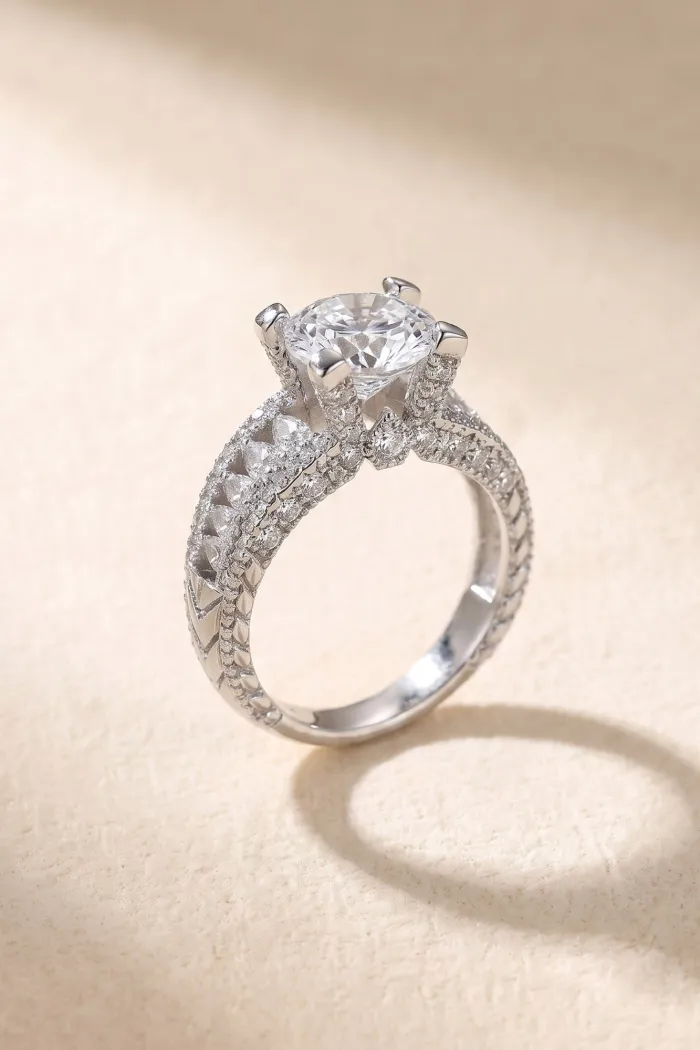
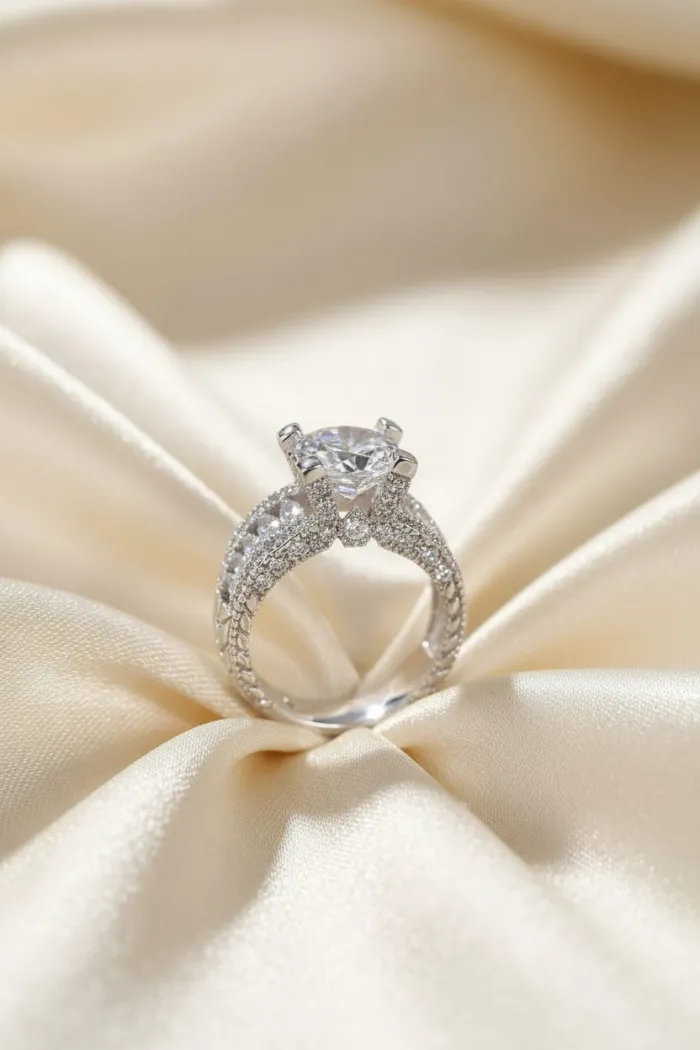
Pavé (say "pa-vay") means "paved". Small stones are set closely along the band so it glitters all the way around. A pavé band adds sparkle to a solitaire, or works beautifully on its own.
Three-stone
Three stones side by side, often said to stand for past, present and future. It is a popular anniversary and engagement style.
Eternity band
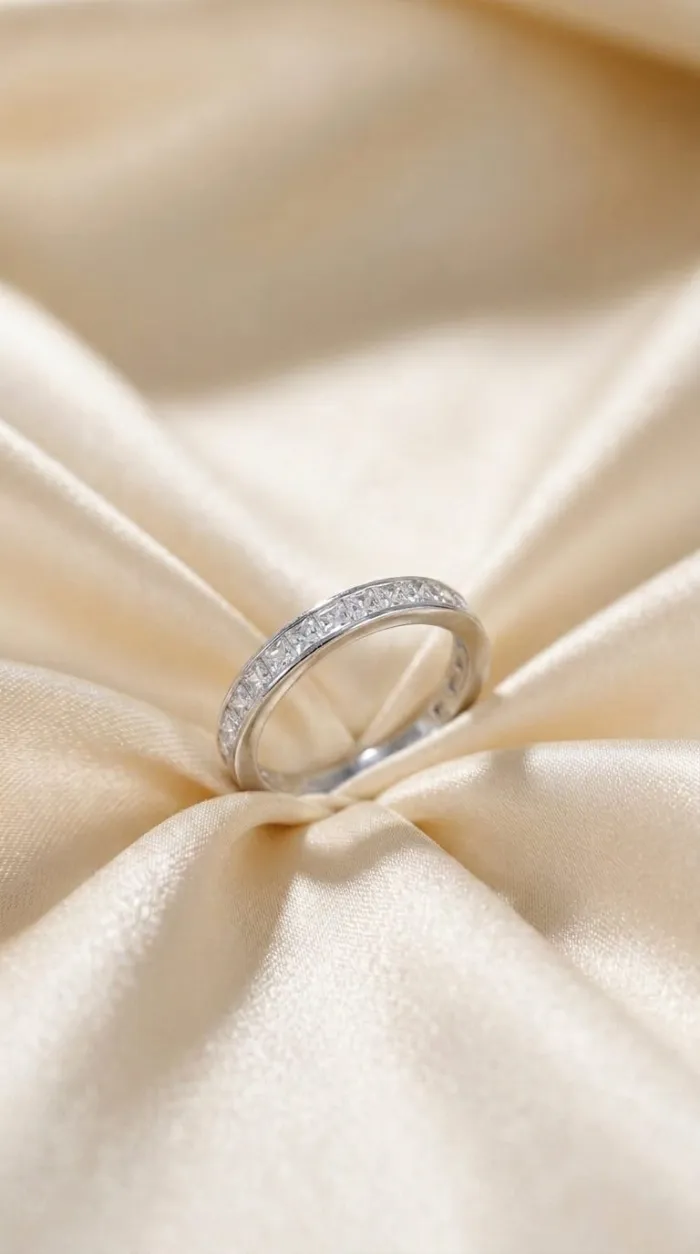
A band with stones all the way around (full eternity) or across the top (half eternity). Often given as a wedding band or an anniversary ring, and perfect for stacking.
Statement or cocktail ring
A large, bold ring made to be noticed, usually worn on the right hand or the middle finger. It is the easiest way to turn a simple outfit into an evening look.
Bridal set
An engagement ring and a matching band designed to sit together. It takes the guesswork out of matching, and it looks finished from day one.
Which style suits which hand?
- Slim fingers: most styles work. Delicate solitaires and thin pavé bands look elegant.
- Shorter fingers: oval and pear stones lengthen the look of the finger.
- Wider fingers: a slightly wider band and a larger stone keep things in proportion.
Not sure about the stone shape? Read diamond shapes explained, or see our engagement rings.